

Beliefs
Christ Church holds to both historic Nicene and Apostles’ ecumenical creeds.
We affirm the Nicene Creed as a faithful summary of biblical teaching on the nature of God, the person of Christ, the Holy Spirit, and the Church.
We affirm the Apostles’ Creed as a foundational, ecumenical summary of essential Christian doctrine, detailing core beliefs in the Trinity, the church, and salvation.
Statement of Beliefs
-
We believe that the 66 books of the Bible are God’s inspired revelation to man. They are without error, completely authoritative, essential, sufficient, and trustworthy, and constitute the only infallible rule for truth and life. It is our constant privilege to read, study, teach, obey, and model God’s word in order to be truthful and loving ambassadors for Christ to our world.
Psalm 19:7-14; 2 Timothy 3:15, 17; 2 Peter 1:20, 3:14-16; Matthew 5:18; John 10:35; 1 Thessalonians 2:13; John 17:17; Hebrews 4:12; John 19:36, 37; Romans 9:17, 10:1, 11:2
-
We believe there is only one God, eternally existing in three equally divine Persons: God the Father, God the Son, and God the Holy Spirit. These three are one true, eternal God, the same in substance, equal in power and glory. He is infinite and unchanging in all his attributes. He is supremely powerful and knows all things exhaustively in one eternal moment, including the free future decisions of all humanity.
Genesis 1:1; 1 Kings 18:39; Psalm 100:3; 115:1-3; Matthew 28:19, 20; Acts 5:3, 4; John 1:1, 14, 18; 8:58, 59; 10:31-33; Isaiah 46:8-11; Ephesians 1:9-11; Daniel 4:34, 35; Romans 11:33-36
-
We believe God the Father is the creator and sustainer of all things. He is infinitely good, perfectly holy, and boundless in his love. Having brought all creation into existence through his word, he is sovereign over all things so that, ultimately, his purpose will be fulfilled and his glory fully displayed.
Psalm 145:8, 9; 1 Corinthians 8:6; Genesis 1:1; Ephesians 1:4-6; 3:9; 4:6; Psalm 103:19; Romans 11:33-36; 8:14, 15; 2 Corinthians 6:18, Ephesians 1:11; 1 Chronicles 29:11; Habakkuk 1:12; Psalm 50:14, 15; Matthew 11:28-30; John 6:38, 42; 8:38-47; 1 Peter 1:14-16; 1 John 3:1-3; John 1:11-13; Galatians 4:5; Hebrews 12:5-9
-
We believe that Jesus Christ is God the Son through whom all things were created and now are held together. He is fully human and fully divine. He was conceived by the Holy Spirit and born of the virgin Mary. He took on all human attributes, yet lived a sinless life. He gave over the independent use of his divine attributes to the Father, but retained his divine essence. He died on the cross as a vicarious substitute for all believers, rose from the dead, and ascended to the right hand of God where he intercedes for his people. His death and resurrection were a victory over the power of sin and death. He now dwells in all Christ-followers as their Lord and Savior. He will return one day in power and glory to judge the world and consummate his redemptive mission.
John 1:1-3; Colossians 1:15-17; Hebrews 1:1, 2; Philippians 2:5-11; Colossians 2:9; Isaiah 7:14; Matthew 1:23-25; Luke 1:26-35; John 1:14, 18; Psalm 2:7-9; Isaiah 9:6; John 1:29; Hebrews 7:25, 26; 9:24; 1 Peter 2:24; 3:18; 2 Corinthians 5:21; Colossians 1:27; 1 Corinthians 15:3, 4; Acts 1:9-11; 1 Thessalonians 4:13-18; 2 Peter 3:11-13; Revelation 20:1-6; Isaiah 9:6, 7
-
We believe that God the Spirit was sent by the Father and the Son to glorify Jesus Christ. He convicts the world concerning sin, righteousness, and judgment. By his powerful and mysterious work, he regenerates spiritually dead sinners through the Gospel, awakening them to repentance and faith. In him, they are baptized into union with Christ and his body, the Church. By the Spirit’s power, believers are illuminated, sanctified, comforted, and adopted into God’s family and gifted for service. God the Spirit indwells and fills each Christ-follower for godly living and is the seal of their promised inheritance.
John 14:16, 17, 26; 16:7, 8, 13-15; Romans 8:9, 11, 14; 1 Corinthians 2:13, 14; Ephesians 4:30; Galatians 4:6; 1 Peter 4:10, 11; 1 Corinthians 12:4-6; Romans 15:16
-
We believe mankind is the special creation of God, intentionally designed as male and female to bear his image as the crowning work of his creation. Adam and Eve were created without sin to worship God, glorify God, enjoy His fellowship, care for his creation, and populate the world with worshippers. Through Adam’s sinful act, they failed and brought death into the world. All human beings inherit a sin nature from Adam and are alienated from God due to sin’s pervasive corruption. Though God's eternal attributes and divine power are clearly seen in creation, sinful humanity is blind to that truth in their unrighteousness. They are spiritually blind and both unwilling and unable to see the light of the Gospel apart from the regenerating power of God.
Genesis 1:26-28; 5:1; James 3:8,9; Genesis 2:15, 16; 3:17-19; Romans 1:18-20; 3:23; 5:12-14; 8:8; Ephesians 2:1-3; 2 Corinthians 4:3, 4; John 3:16; Matthew 25:44-46; Revelation 20:12-14; 2 Peter 3:11-13
-
We believe that salvation is wholly of God by grace on the basis of the redemption of Jesus Christ, the merit of His shed blood, and not on the basis of human merit or works. All who repent of their sins and place their faith in God the Son are brought from death into life, adopted into God’s family, indwelt by God the Spirit, and kept by God the Father eternally.
John 3:36; 16:8; Romans 1:16, 17; 8:9; Ephesians 2:4-10; Titus 3:5; John 1:11-13; Acts 16:31; 1 Peter 1:3, 4; Mark 1:15; Acts 2:38; 3:19; 8:22; Proverbs 3:5,6; John 5:24; Romans 8:9-11; Ephesians 1:13, 14; John 10:27-29; Romans 8:31-39Item description
-
We believe that regeneration is a supernatural work of the Holy Spirit by which the divine nature and divine life are given. It is instantaneous and is accomplished solely by the power of the Holy Spirit through the instrumentality of the Word of God, when the repentant sinner, as enabled by the Holy Spirit, responds in faith to the divine provision of salvation. Genuine regeneration is manifested by the fruit of repentance as demonstrated in righteous attitudes and conduct. Good works will be its proper evidence and fruit, and will be experienced to the extent that the believer submits to the control of the Holy Spirit in his life through faithful obedience to the Word of God. This obedience causes the believer to be increasingly conformed to the image of our Lord Jesus Christ. Such conformity is climaxed in the believer’s glorification at Christ’s coming.
John 3:3-7; Titus 3:5; John 5:24; Galatians 5:22-23; 1 Corinthians 6:19-20; Ephesians 2:10; Ephesians 5:17-21; Philippians 2:12b; Colossians 3:16; 2 Peter 1:4-10; 2 Corinthians 3:18
-
We believe Christ has established a visible church, which is called to live in the power of the Holy Spirit under the regulation of the authority of Holy Scripture, preaching the gospel of Christ, administering the sacraments, and exercising discipline. We believe that all those whom God the Spirit regenerates through the Gospel are immediately brought into union with God the Son and become part of his Body, the universal church. As a local representation of the universal church, our Church is united with Christ-followers everywhere under the Lordship of God the Son. We celebrate our union with Christ and our unity with one another by observing baptism and the Lord's Supper.
Ephesians 1:4; Romans 8:1; 12:5; Acts 2:41; Ephesians 1:22, 23; 3:10; 4:3; 5:23, 24; Colossians 1:24; 4:15; Galatians 1:1, 2; Matthew 16:18; 1 Timothy 3:14, 15; Matthew 28:19, 20; Acts 8:36-39; 1 Corinthians 11:23-26; John 13:34; 15:12-17; 1 Timothy 1:5, 19; 4:6, 7; 6:20; 2 Timothy 1:13, 14; 2:15; 4:1, 2
-
We believe that God will bring all things to their appropriate end for his glory at the right time. God the Son will return, visibly and bodily as he promised. The dead will be raised, and every account settled. Jesus Christ was physically resurrected from the dead in a glorified body three days after His death on the cross. In addition, both the saved and the lost will be resurrected: those who are saved to the resurrection of life, and those who are lost to the resurrection of eternal separation and agony.
Luke 24:16, 36, 39; John 2:19-21, 20:26-28, 21:4; Acts 24:15; 1 Corinthians 15:42, 44; Philippians 1:21-23, 3:21; Revelation 20:11-15; 21:22-27
Communion
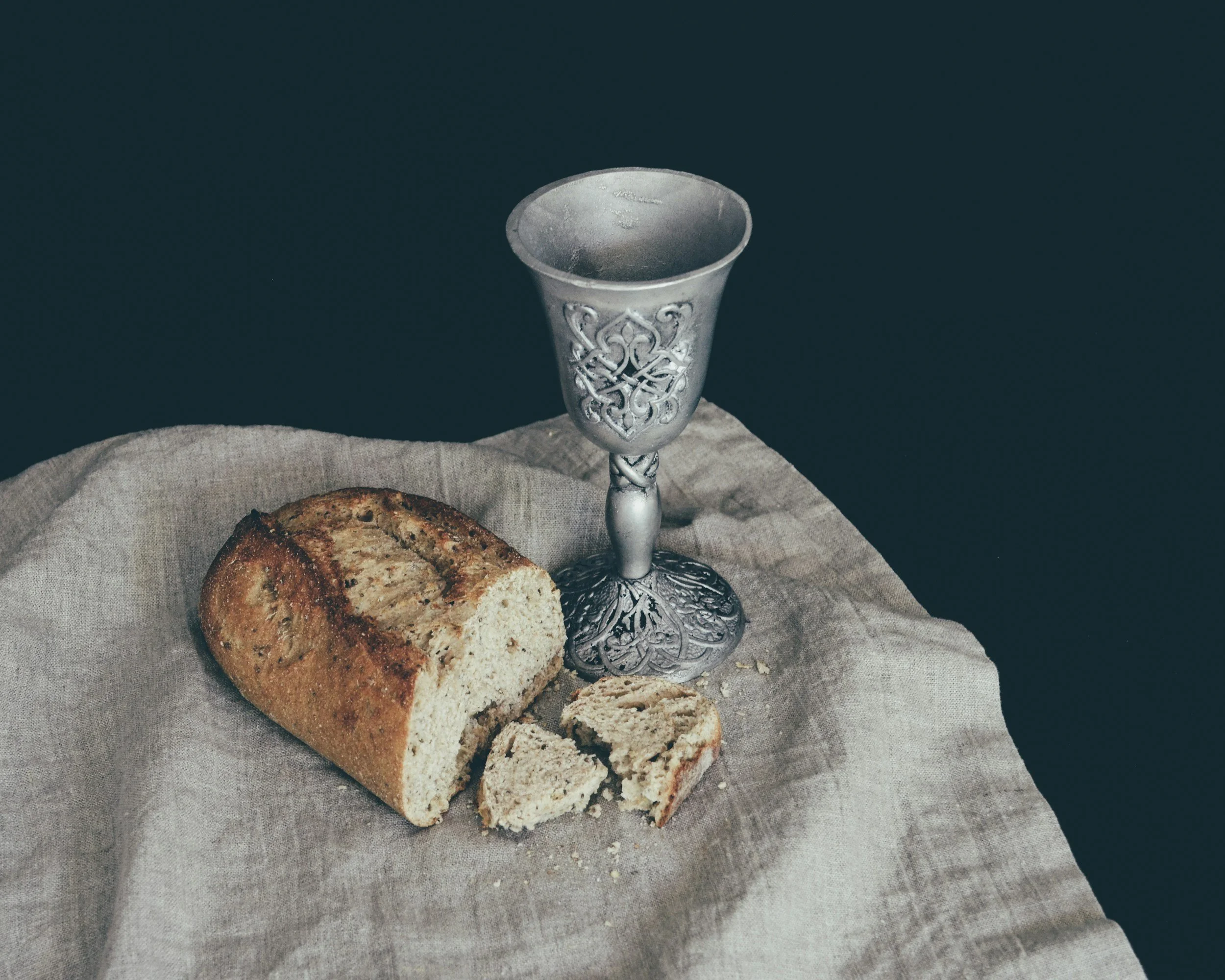
We believe Communion is a central act of worship. In partaking, we remember and proclaim the death of Jesus Christ, rejoice in His resurrection, anchor ourselves in the hope of His return (1 Cor. 11:23–26), and by faith receive the spiritual nourishment and fellowship Christ provides to His people through the Holy Spirit.
When we celebrate the Lord’s Supper, we follow what Jesus did when He broke bread and shared the cup with His disciples on the night before He died. As we receive the bread and cup with thanksgiving and share them together, we believe that Christ truly ministers to His people through this sacrament. Though the bread and wine remain bread and wine, by the Holy Spirit believers truly partake of Christ by faith and are spiritually nourished and strengthened.
Here are some reasons we hold this belief:
In John 6:56, the Lord says: “Whoever feeds on my flesh and drinks my blood abides in me, and I in him.” Though John 6 is not primarily or only about the Lord’s Supper, Jesus’ teaching about feeding on Him by faith helps us understand the spiritual reality signified in Communion — that believers abide in Christ and receive life from Him through faith. If the Lord’s Supper points to fellowship and union with Christ, then Christ truly communes with His people in it by the Holy Spirit. We therefore believe that Christ spiritually ministers to His people in the Supper.
We do not hold to the belief that Christ is physically present in the bread and wine, since Christ’s body remains in heaven until His return. Rather, through faith and by the Holy Spirit, believers truly commune with Christ spiritually in the Supper.
In Luke 22:19–20, Christ identifies the elements with His body and blood, and with the new covenant. By the Holy Spirit, Christ nourishes, strengthens, and ministers to His people as they receive Him by faith in the Supper.
“And he took bread, and when he had given thanks, he broke it and gave it to them, saying, ‘This is my body, which is given for you. Do this in remembrance of me.’ And likewise the cup after they had eaten, saying, ‘This cup that is poured out for you is the new covenant in my blood.’” — Luke 22:19–20
In Luke 24, Jesus reveals Himself to His disciples through the ministry of the Word and the breaking of bread. While this passage is not primarily about the Lord’s Supper, it beautifully points to the way Christ continues to make Himself known and minister to His people after His resurrection and ascension.
“When he was at table with them, he took the bread and blessed and broke it and gave it to them. And their eyes were opened, and they recognized him. And he vanished from their sight… Then they told what had happened on the road, and how he was known to them in the breaking of the bread.” — Luke 24:30–31, 35
In 1 Corinthians 10:16–17, Paul reminds the church in Corinth that we all partake of the same bread. So not only do we have spiritual union with Christ through the Supper, we also have union with the body of Christ, the Church. As we partake together of the one bread, we are reminded that we belong to Christ and to one another.
“The cup of blessing that we bless, is it not a participation in the blood of Christ? The bread that we break, is it not a participation in the body of Christ? Because there is one bread, we who are many are one body, for we all partake of the one bread.” — 1 Corinthians 10:16–17
We believe the Lord’s Table is for baptized, professing believers who place their trust in Jesus Christ alone for salvation and are seeking to follow Him in repentance and faith. The Table is not reserved for the perfect, but for those who recognize their need for God’s grace and are looking to Christ as Savior and Lord.
At Christ Church, we celebrate Communion weekly. Communion is a family meal for the people of God. It is a visible expression of our union with Christ and our unity with one another as His Body. By partaking together, we proclaim that we belong not to ourselves, but to Him and to one another.

Baptism
Since New Testament times, baptism has been an important tradition of the church. But it is more than a tradition. It is a critical act of obedience through which Christ-followers publicly identify with their Savior, Jesus Christ, and his Body, the local church. The waters of baptism powerfully symbolize the reality of salvation by faith in Christ alone. The spiritual deadness that accompanies being a sinner has been buried forever and in its place God has raised the believing sinner to new life in Christ.
At Christ Church, we believe baptism is a voluntary act by which the regenerate Christ-follower publicly testifies to his or her salvation, identifies with the death, burial, and resurrection of Christ through immersion, and unites with the local congregation as a member of the body of Christ. Baptism is a community-creating event and is to be part of the corporate gathered worship of the church.
We believe baptism is:
The sign and seal of the New Covenant (Col. 2:11-12)
The practice and expectation of the early Church (Acts 2:38, 41, 9:18, 16:15)
A public proclamation of faith, forgiveness, and union with Christ and His Church (Romans 6:3-4, Eph. 4:5,, Gal. 3:27-28)
Baptism does not confer salvation in any way. Rather, it is an expression and celebration of saving faith. Baptism is a powerful representation, not of what the believer receives, but of the saving work of God in them.
We believe water baptism by full immersion best expresses what baptism symbolizes - identification with the death, burial, and resurrection of Christ - as described in Romans 6:3-4, but we do not believe other baptismal methods illegitimatize baptism or what baptism symbolizes and proclaims.
Baptism and church membership are intended to be embraced together. Baptism is a church-life act that exemplifies the believer’s connection to Christ and to His Body. Having a right understanding of baptism means having a right understanding of the importance of the church. When an individual is baptized here, they are being baptized into the family of Christ Church, committing to gather together to worship, engage one another for growth and encouragement, and reach together into this city and this world with the hope of the Gospel. Baptism is all about identification with Christ and commitment to His Church.

Missions and Multiplication
As Jesus was about to ascend into heaven, he gave His final commission to all His followers: “Go therefore and make disciples of all nations” (Matt. 28:19).
Desiring to fulfill this commission, one of Christ Church’s core values is: “Feet: Goes and Makes Disciples.” Since God’s primary means of reaching the nations with the gospel and growing people in their likeness to Christ is through the local church, we seek to invest the majority of our resources in planting biblical churches domestically and around the world. Whether that means supporting current church-planters, raising up and sending church-planting teams, or sending individuals to join teams, by God’s grace, we desire to participate in the building of His church around the world.
Christ Church seeks to train and support men and women who will join the ranks of faithful saints who looked to their heavenly kingdom as they laid down their lives to take the gospel to the ends of the earth.
In conjunction with our heart for planting churches, we desire to be a multiplying church. Our heart is for Christ Church is not to be a church of ‘our own’, but to be centered on continual multiplication. We desire to be a church that ‘equips and sends.’ Our focus on discipleship is not solely for spiritual maturity, but to raise up leaders and send out teams with hearts to take the gospel to every community. We believe this not only fulfills the Great Commission and God’s heart for the Church, but also is essential for the health of the church and avoiding a ‘consumeristic’ mentality.